How to Design Your Own Walking Tour for a Richer Travel Experience
Walking is one of the best ways to explore a new city. You set the pace, stop when something catches your eye, and notice details you would miss from a bus or car. But planning a good walking route on your own takes more than pulling up a map and picking a direction. Without a clear plan, you can end up covering too much ground, missing the most interesting spots, or wearing yourself out before lunch.
The key is to build a route that matches your interests, your available time, and your walking pace. That sounds simple, but it requires a bit of thought about what you really want from the walk. Do you want to see famous landmarks, learn about local history, find great food spots, or just wander through pretty streets? The answer shapes everything from the start point to the length of the route.
Start With What Draws You to a Place
Every city has layers. The same street might hold a medieval church, a 19th-century market hall, and a modern art gallery. Trying to see all of it in one walk leads to fatigue. A better approach is to pick a theme or a neighborhood and focus there. If you love architecture, choose a district known for its buildings. If you prefer hidden cafes and street art, a different part of town will serve you better.
Once you have a theme, look for a logical loop or a point-to-point route that covers the highlights without doubling back too much. A good walking route should feel like a story unfolding, not a checklist. You want to move through spaces that connect naturally, so each stop feels like part of a larger picture.
Estimate Your Time and Pace Honestly
A common mistake is underestimating how long a walk actually takes. A mile on a straight, flat sidewalk might take 15 to 20 minutes at a moderate pace. But add in stops for photos, reading plaques, or grabbing a coffee, and that same mile can stretch to an hour. When you design a walking tour on your own, it helps to plan for about half a mile per hour if you want to really absorb things, or a mile per hour if you are moving steadily with few stops.
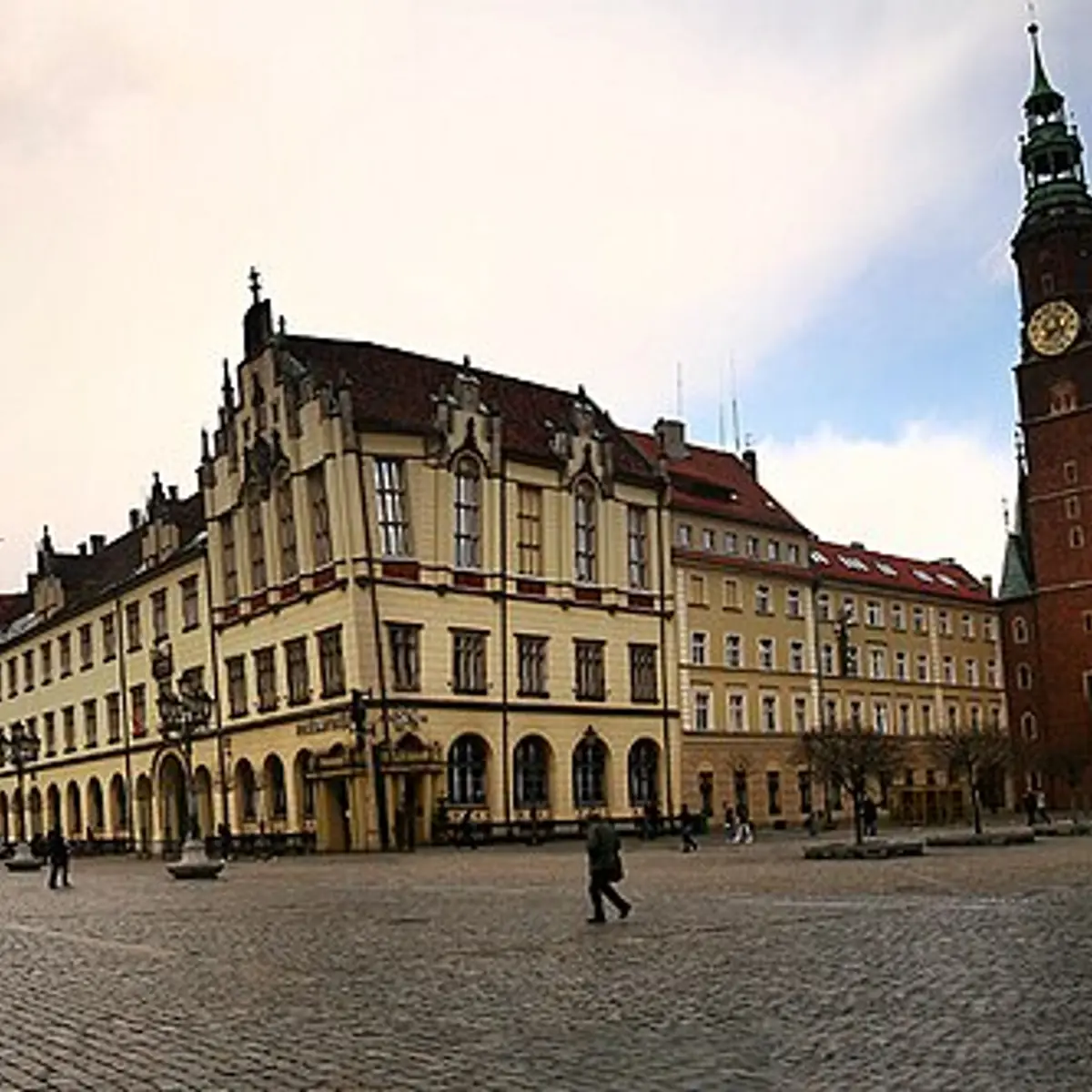
Be realistic about your energy level. Walking tours on your own give you the freedom to rest or cut the route short. Still, it is smart to know your limits before you start. A three-hour walk sounds fine in theory, but if you have been traveling all week, your feet may have other ideas. Build in a midpoint break at a park bench, a cafe, or a museum courtyard. That pause can save the second half of your walk.
Use Tools That Adapt to You
There are plenty of apps and maps that help you plan a walking route, but few adjust to your personal preferences in real time. That is where something like the Guided Tours app comes in. It is designed for self-guided audio walking tours that are tailored to a traveler’s interests, available time, and walking pace. Instead of following a fixed one-size-fits-all path, you can choose a tour that matches what you care about and how fast you want to move. The audio guides provide context and stories at each stop, so you are not just walking, you are learning as you go.
Using an app like this can turn a simple walk into a rich experience without the pressure of a live guide. You pause the audio when you want to linger, skip a stop if you are not interested, and continue when you are ready. That flexibility is hard to beat when you are exploring a place on your own terms.
Balance Structure With Spontaneity
A planned route is useful, but some of the best discoveries happen when you detour. A narrow alley with a mural, a small bakery with a line out the door, a quiet courtyard with a fountain, these moments cannot be scheduled. Leave room in your plan for unplanned stops. If something pulls your attention, follow it. You can always check the map and get back on track later.
The Guided Tours walking tours on your own approach supports this balance. You have a clear path and audio guidance when you want it, but you are never locked into a rigid schedule. If you decide to spend extra time at a market or skip a monument entirely, the tour adapts to your choices. That mix of structure and freedom is what makes self-guided walking so satisfying.

Check the Logistics Before You Head Out
A few practical checks can save you trouble. Look at the weather forecast and dress accordingly. Comfortable shoes are non-negotiable. Make sure your phone is charged and you have downloaded any audio or map content you need offline, especially if you are visiting a place with spotty mobile service. Carry a small bottle of water and a snack, because hungry walkers make bad decisions.
Also check the opening hours of any indoor stops on your route. Nothing kills a good walk like arriving at a museum or church only to find it closed for lunch or a holiday. A quick search before you leave can prevent that disappointment. Similarly, note the location of public restrooms along the way. It sounds mundane, but it makes a real difference to your comfort and enjoyment.
Think About the Start and End Points
A good walking route has a logical start and end that connect to public transport or your accommodation. Ending a long walk a mile from the nearest metro stop can turn a pleasant afternoon into a slog. If possible, choose a loop that brings you back near where you started, or plan a point-to-point route that finishes at a transport hub or a nice spot for a meal.
Starting early in the morning has advantages: fewer crowds, cooler temperatures, and softer light for photos. But the right time also depends on what you want to see. A morning market walk is best done early, while a historic district might be more atmospheric in the late afternoon. Think about the character of each stop and plan your timing accordingly.
Make the Walk Your Own
The ultimate goal of any walking tour on your own is to connect with a place in a way that feels personal. You are not just ticking off sights from a list. You are moving through a city at human speed, noticing how the light changes, how the streets smell, how people live their daily lives. That kind of experience stays with you long after you return home.

If you use an app like Guided Tours, you get the benefit of expert curation without losing your autonomy. The audio gives you background and stories, but you decide when to listen and when to simply walk in silence. The Guided Tours walking tours on your own design lets you be both a tourist and a traveler, learning from the guide while following your own curiosity.
In the end, the best walking route is the one that leaves you feeling you have really seen something, not just covered distance. Plan with intention, stay open to surprises, and let your own interests lead the way. That is how walking becomes more than exercise, it becomes a way of understanding a place.
Guided Tours on social media
 Twitter
 Facebook
 Instagram
 YouTube